MORE ABOUT
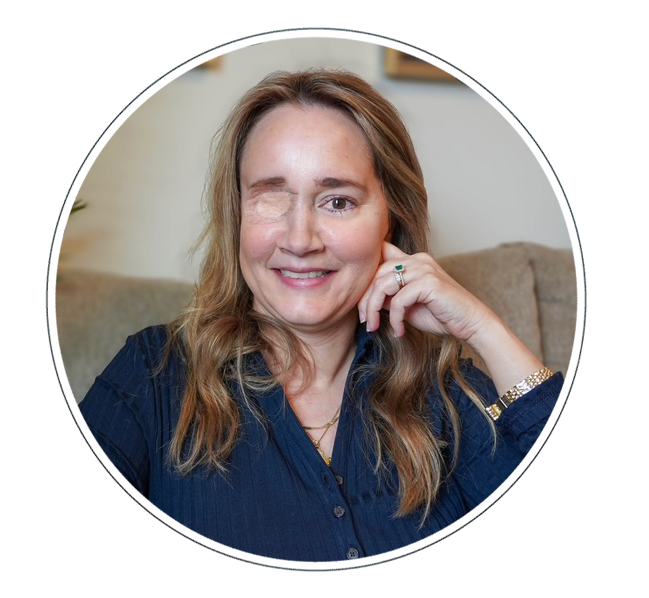
Courtney Norman
Supervised Graduate Counseling Intern
Telehealth Only

ABOUT COURTNEYSupportive Care
with a collaborative approach
As a counseling intern, Courtney offers a supportive and nonjudgmental space where clients can begin to explore what they are experiencing at a pace that feels comfortable and appropriate. Together, clients are invited to gently examine what feels heavy, identify patterns that may be contributing to distress, and move toward what they would like to feel or experience differently in their lives. While reflection on past and present experiences may be part of the process, there is also an emphasis on present-moment awareness and practical, attainable steps that support growth and forward movement.
Courtney’s counseling approach is warm, collaborative, and tailored to each individual’s needs. She draws from a range of therapeutic modalities, including existential therapy, motivational interviewing, psychodynamic approaches, person-centered therapy, REBT, solution-focused therapy, Acceptance and Commitment Therapy (ACT), and Narrative Therapy. This integrative approach allows for both deeper exploration of patterns and the development of practical skills that support meaningful change in daily life.
Courtney highly values continuing education and training and makes this a priority in order to ensure she is providing the highest quality of care to those she is working with.
Courtney is supervised by Jean Moree, LPC, LMHC, NCC, CCTSI, a licensed clinician with over 16 years of clinical experience. Jean specializes in anxiety, trauma, and couples work and provides ongoing clinical supervision and guidance. This supervisory relationship ensures that clients receive thoughtful, ethical, and effective care supported by an experienced clinician.
Services provided by the graduate counseling intern are offered on a sliding scale fee ranging from $0 to $30 per session.
- The exact fee will be agreed upon prior to the start of services
- Payment is due at the time of service unless otherwise arranged
- Services provided by interns are typically not billable to insurance
Courtney provides a warm, collaborative space to explore challenges and move toward greater clarity and balance.

AREAS OF FOCUSCare and Support
Support is offered for individuals experiencing a range of emotional and life challenges. Counseling provides a supportive and nonjudgmental space to explore what feels overwhelming, better understand your experiences, and work toward greater clarity, balance, and emotional well-being at a pace that feels comfortable for you.
Areas of focus may include:
- Anxiety and excessive worry
- Stress and burnout
- Depression and low mood
- Life transitions and adjustment challenges
- Relationship concerns and interpersonal difficulties
- Premarital counseling
- Assertiveness and boundaries
The counseling process is collaborative and supportive, with attention given to both present-day concerns and the patterns that may be contributing to distress. Together, the focus is on developing insight, strengthening coping strategies, and moving toward meaningful and sustainable change.

GET IN TOUCH
Start Working with Courtney
Reach out to get started and set up an appointment.

Tranquil Soul Counseling
LINKS
OFFICE LOCATION
3890 Charlevoix Ave.
Suite 304
Petoskey, MI 49770
PHONE
(231) 486-5434
© 2026 Tranquil Soul Counseling, LLC